
MDF, or medium-density fibreboard, is an engineered wood product with a smooth and even surface. It is commonly used for decorative wall panels, nameplates, trays, shelves, clocks, signs, and small ornaments.
Why MDF works well for decor
Its smooth surface accepts paint, laminate, and detailed cutting cleanly. That makes MDF useful for pieces with crisp shapes, engraved patterns, or a consistent painted finish. It can also be more affordable and warp-resistant than solid wood for decorative items in Indian climates.
Where to use it
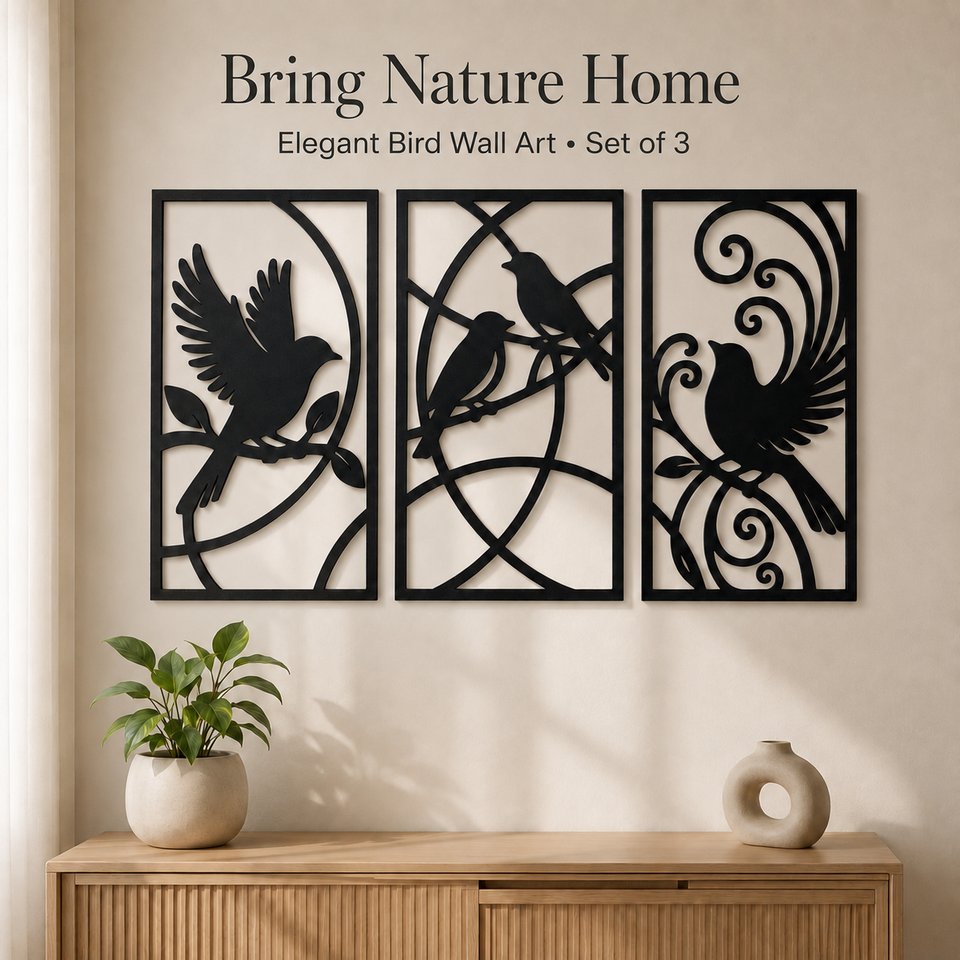
MDF decor works best indoors and in dry areas such as living rooms, bedrooms, studies, and covered entryways. A small wall accent can add texture without making a room feel busy. Trays and tabletop pieces can repeat a room’s colours and help tie a display together.
Avoid placing standard MDF beside sinks, in exposed balconies, or anywhere it may stay damp. For humid areas, choose products specifically made with moisture-resistant board and a properly sealed finish.
Simple styling ideas
- Use one larger wall piece as a focal point instead of grouping many small designs.
- Match painted MDF to one existing colour in the room.
- Combine a detailed MDF piece with plain ceramics, glass, or fabric for balance.
- Keep enough empty space around wall decor so its shape remains easy to see.
Care and cleaning
Dust MDF decor with a soft, dry cloth. For marks, use a slightly damp cloth and dry the surface immediately. Do not soak it, scrub it with abrasive cleaners, or place hot items directly on an MDF tray unless the product is made for that use.
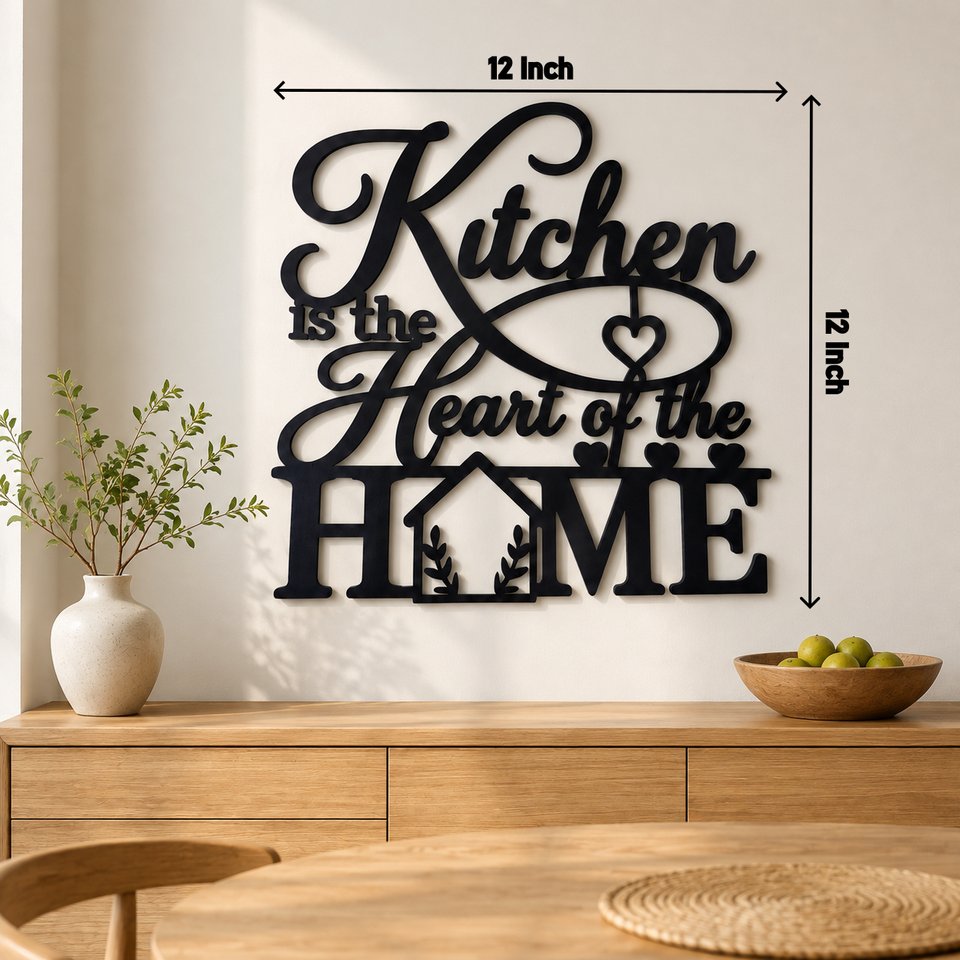
Before buying, check the product dimensions, finish, mounting method, and care instructions. A well-finished piece placed in the right part of the home can remain attractive for years.
Browse Torsivity wall decor to compare exact dimensions, mounting details, finishes, and care instructions for each available piece.